
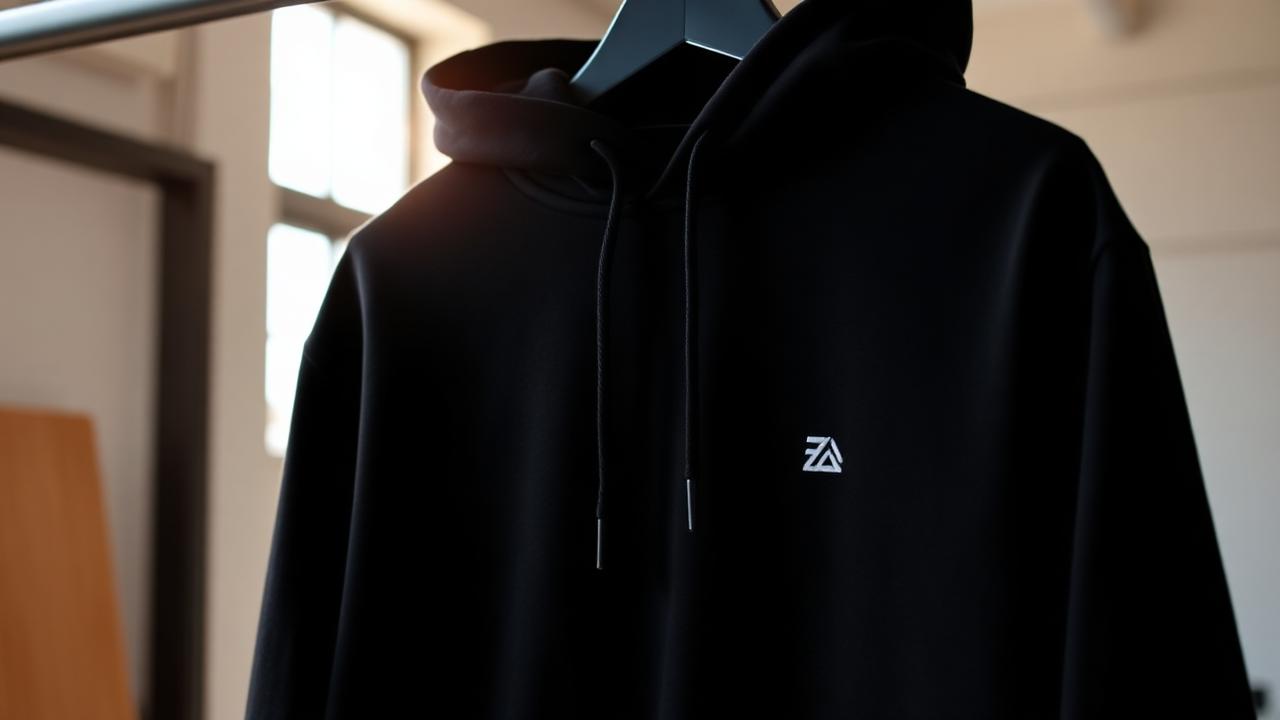
A brand without a niche is a t-shirt with a logo nobody cares about. Your niche = the SPECIFIC group of people you make clothes for, and the SPECIFIC feeling/identity they get from wearing your stuff.
The Niche Formula
Audience + Emotion + Style = Brand
Example: Christian gym bros + discipline + minimalist black streetwear
Profitable Niche Examples
- Streetwear for skaters in the southwest US
- Faith-based athletic apparel
- Anime-inspired techwear
- Mom-life graphic tees with humor
- Crypto/finance meme apparel
Picking Your Brand Name
- Short (1–2 words). Easy to spell.
- .com domain available, plus matching @handle on IG/TikTok.
- No trademark conflicts (search USPTO TESS).
- Has visual identity potential — picture it embroidered.
What a niche actually is
A niche is a narrow group of people that share an identity, a problem, and the kind of clothes they wear to express it. It is NOT a product category like 'hoodies' or a vague vibe like 'streetwear'. It is a person you can picture: their age, their music, their job, the brands they already buy, and the moment they would wear your piece.
Compare two answers to 'who is your customer?' — Bad: 'people who like streetwear'. Good: '19–26 year old skaters in Phoenix who listen to Playboi Carti, already buy Brain Dead and Stussy, and want a heavyweight tee they can skate in without it ripping at the collar'. The second answer tells you the fabric weight, the price ceiling, the photoshoot location, the influencers to DM, and the captions to write. The first answer tells you nothing.
The Audience + Emotion + Aesthetic formula
Audience is WHO (one specific person). Emotion is the FEELING they get when they put the piece on — confident, disciplined, rebellious, soft, powerful, seen. Aesthetic is the visual language — colors, fonts, fabrics, photography style. When all three line up, the brand feels inevitable. When one is missing, the brand feels like a logo slapped on a blank tee.
Worked example. Audience: Christian gym guys 18–28. Emotion: disciplined, set apart, accountable. Aesthetic: minimalist black/cream, serif logotype, scripture in small print on the inside hem. Now every decision — fabric, model casting, captions, drop schedule — has a clear right answer.
How to find a profitable niche fast
- List 10 subcultures you ACTUALLY belong to or understand deeply (faith, sport, music scene, profession, hobby, region).
- For each, write the uniform they already wear and the brand they would 'upgrade' to.
- Cross out any group that does not spend money on clothes (broke teens with no job = bad; working 22-year-olds = good).
- Pick the one where you can name 5 real people you would text on launch day. That is your beachhead.
Brand identity: the 6 pieces you must lock
- Name — 1–2 words, easy to spell, .com + matching @handle free, no USPTO TESS conflict.
- Logo mark — works embroidered at 1 inch, readable in one color.
- Color palette — 2 core + 1 accent, written down as hex codes.
- Typography — one display font, one body font, used everywhere.
- Voice — how captions sound (cocky, calm, funny, prophetic — pick one).
- Photography rules — location, lighting, model type, crop ratio.
How to actually use "Finding Your Niche & Brand Identity"
This is a concept lesson inside Clothing Brand: Start, Sell & Scale — a commerce / reselling discipline. Read it once for understanding, then come back with a real situation in mind. The list below tells you exactly how to convert reading time into ability.
Pros — what this unlocks in Clothing Brand: Start, Sell & Scale
- Cash cycle is fast — list today, sell this week, reinvest by month-end. Few skills give that feedback loop.
- You learn pricing, sourcing, customer service, and unit economics on real money instead of a textbook.
- Margins on the right product are 3–5x — beats most jobs per hour worked once your sourcing is dialed in.
- Inventory is portable; you can run it from a bedroom, garage, or storage unit.
- Skills transfer directly into a real brand or store later — sourcing, photography, listings, fulfillment.
Cons — the honest downsides
- Trends die — what flipped for 4x last year may sit dead in 6 months.
- Storage and admin scale faster than revenue if you don't systemize.
- It's physical work — sourcing trips, photos, packing, shipping. Romanticized online, sweaty in real life.
- Platform fees + shipping eat 25–35% of revenue. If you don't price for it, you lose money on every sale.
- Returns and chargebacks are inevitable; budget for 5–10% even on great listings.
What can go wrong in Clothing Brand: Start, Sell & Scale
- Counterfeit or stolen goods you didn't authenticate — gets you banned from platforms permanently.
- Tax surprises — once you cross the 1099-K threshold, the IRS expects records you didn't keep.
- Shipping damage with no insurance — one bad pack and your margin is gone.
- Account suspension on a single platform crushing 80% of your revenue if you didn't diversify.
- Buying inventory you can't sell — overpaying at sourcing turns capital into shelves of regret.
Common mistakes (and the fix for each)
- Mistake: no inventory tracking. Fix: a simple sheet — cost, listed price, date, sold price, fees, net.
- Mistake: ignoring repeat-buyer flow. Fix: business cards, follow-up DMs, a simple email list.
- Mistake: buying without checking sold comps. Fix: only the SOLD filter matters — listed prices lie.
- Mistake: ugly photos. Fix: white background, daylight, 6+ angles. Photos sell more than copy.
- Mistake: race-to-the-bottom pricing. Fix: price for your margin, not the cheapest competitor.
Best practices that separate pros from beginners in Clothing Brand: Start, Sell & Scale
- Track cost-of-goods on every single unit. If you can't tell me your average net margin, you don't have a business yet.
- Source on a route, not at random — 3 thrift stores + 1 estate sale + 1 wholesale lot per week.
- List every sourced item within 48 hours. Inventory sitting is dead capital.
- Reinvest 60–70% of profit back into inventory for the first 12 months.
- Pick ONE platform to dominate before adding a second. Cross-listing too early kills your time, not your sales.
Realistic timeline for THIS lesson
- First useful signal: one focused sitting (20–40 minutes) to understand it well enough to use.
- Operating fluency: 1–2 weeks of using the idea on real decisions before it sticks.
- Suggested daily input: 5–10 minutes — a quick mental rep when the situation comes up.
- Quit criteria: only walk away when you hit pre-written kill conditions, never on a bad day. Decide today what failure would look like.