
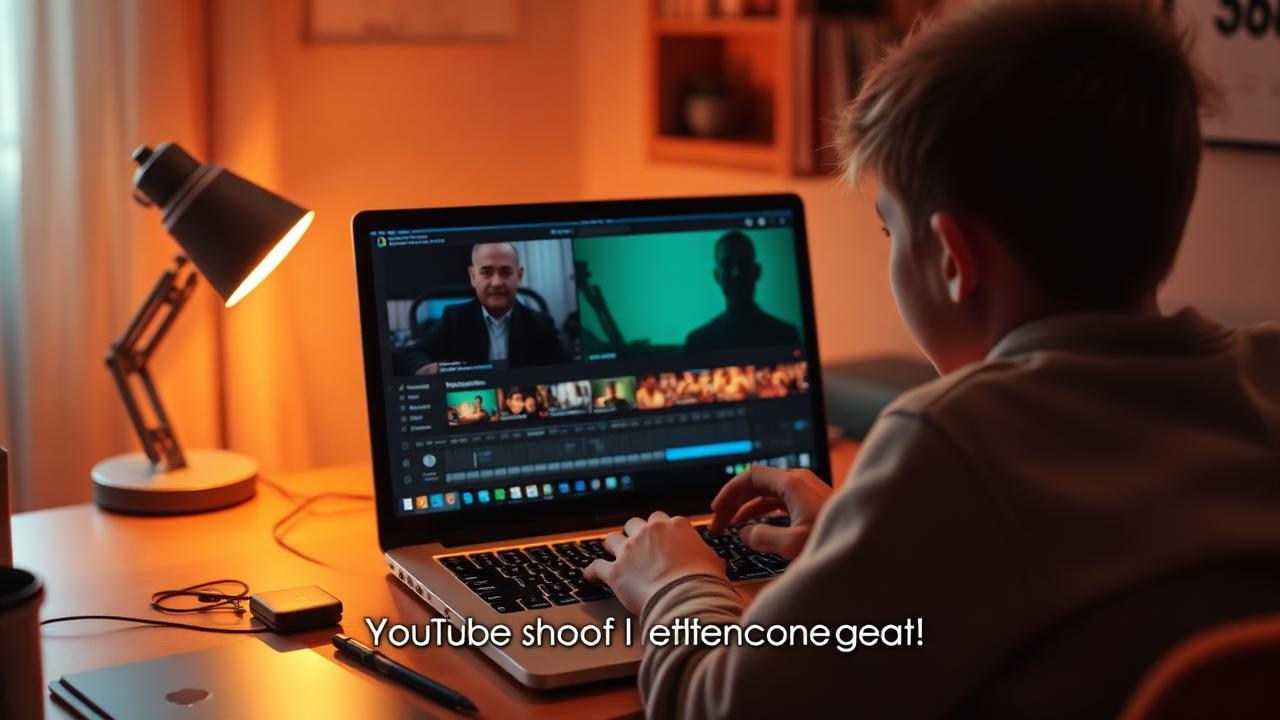
AI video editing means using artificial-intelligence tools to cut, caption, enhance, and assemble videos faster than ever before. Tasks that used to take 3 hours now take 20 minutes.
Earnings (Real Numbers)
- YouTube Short editor: $50–$200 per video.
- Social-media package: $300–$800/month per client.
- Fiverr/Upwork: $500–$3,000/month part-time.
- Full-time editor: $40K–$80K/year.
💰
Why creators outsource
Their time is worth more on camera than at a timeline. A creator earning $5K/mo gladly pays you $500 to save 20 hours.
How to actually use "What AI Video Editing Is & Why It Pays"
This is a concept lesson inside AI Video Editing for Pay — a content / marketing discipline. Read it once for understanding, then come back with a real situation in mind. The list below tells you exactly how to convert reading time into ability.
Pros — what this unlocks in AI Video Editing for Pay
- Distribution compounds — one viral piece can keep paying you in followers, leads, and deals for years.
- Cost to start is essentially zero; you trade time and taste, not capital.
- Building an audience around a niche is the closest thing to career insurance in 2026.
- Skills (writing, editing, hooks, thumbnails) transfer to every other business you'll ever run.
- Algorithms reward consistency more than talent — you can out-work the more talented person who quits in week 6.
Cons — the honest downsides
- Burnout is real when you tie identity to engagement metrics.
- Brand deals look glamorous and pay slowly; assume 60–90 day net terms.
- Months of posting to crickets is the price of entry — 90% quit in that window.
- Public output means public criticism; thin skin gets eaten alive in comments.
- Algorithm changes can erase a channel overnight — never put 100% of distribution in one platform.
What can go wrong in AI Video Editing for Pay
- Copying a creator's format without their context — works for them, fails for you.
- Burning your name on a niche you don't actually want to be known for in 5 years.
- Skipping the email list — followers are loaned, subscribers are owned.
- Building only on rented land (one platform). The day they shadowban you, you have nothing.
- Chasing virality over relevance — viral views to the wrong audience are worth $0.
Common mistakes (and the fix for each)
- Mistake: no call-to-action. Fix: every piece earns one specific next step (follow, DM, link, signup).
- Mistake: not analyzing what worked. Fix: weekly review of top 3 and bottom 3 posts and what changed.
- Mistake: chasing trends only. Fix: 70% evergreen, 30% trend — evergreen pays for years.
- Mistake: posting whenever inspired. Fix: a fixed schedule (3x/week minimum) for 90 days.
- Mistake: weak hooks. Fix: write 10 hook variants for every piece, post the strongest, save the rest.
Best practices that separate pros from beginners in AI Video Editing for Pay
- Pick one format and one niche for the first 100 posts. Mastery beats variety in the early game.
- Batch shoot/write — one production day per week beats daily scrambling every time.
- Repurpose every long-form piece into 3+ short formats — same effort, 5x distribution.
- Build the email list from day 1 even if no one's there. You'll thank yourself in year 2.
- Track the metric that actually matters — leads or revenue, not vanity follower count.
Realistic timeline for THIS lesson
- First useful signal: one focused sitting (20–40 minutes) to understand it well enough to use.
- Operating fluency: 1–2 weeks of using the idea on real decisions before it sticks.
- Suggested daily input: 5–10 minutes — a quick mental rep when the situation comes up.
- Quit criteria: only walk away when you hit pre-written kill conditions, never on a bad day. Decide today what failure would look like.
💰
Practice plan for "What AI Video Editing Is & Why It Pays"
Week 1: Read once, then write the core idea as ONE sentence in your own words. Week 2: Spot the concept in the wild this week — in a podcast, a meeting, a chart, a price tag — and screenshot or note it. Week 3: Apply it to one real choice you have to make and write a 2-line decision log. Week 4: Take the lesson quiz cold. If you score under 80%, re-read only the section you missed.
⚠️
If you only remember three things
1) Concept lessons are short on purpose. Mastery is RECOGNITION speed, not memorization. 2) The downsides above are real for content / marketing — model them before you scale. 3) Boring fundamentals beat exciting tactics every time inside AI Video Editing for Pay.