
Why electronics is the highest-ticket reselling category for beginners
Reselling sneakers nets you $40–$120 per pair on average. Reselling electronics — done right — nets you $80–$600 per unit on smartphones and $200–$1,200 per unit on laptops and cameras. The dollar-per-deal is 3–10x higher, which means you reach a meaningful income with far fewer transactions per month.
That higher ticket cuts both ways. A bad sneaker flip costs you $60. A bad iPhone flip — water damage you missed, an iCloud-locked unit, a counterfeit replacement screen — can cost you $400 in one mistake. Electronics rewards operators who slow down, test methodically, and refuse to skip steps.
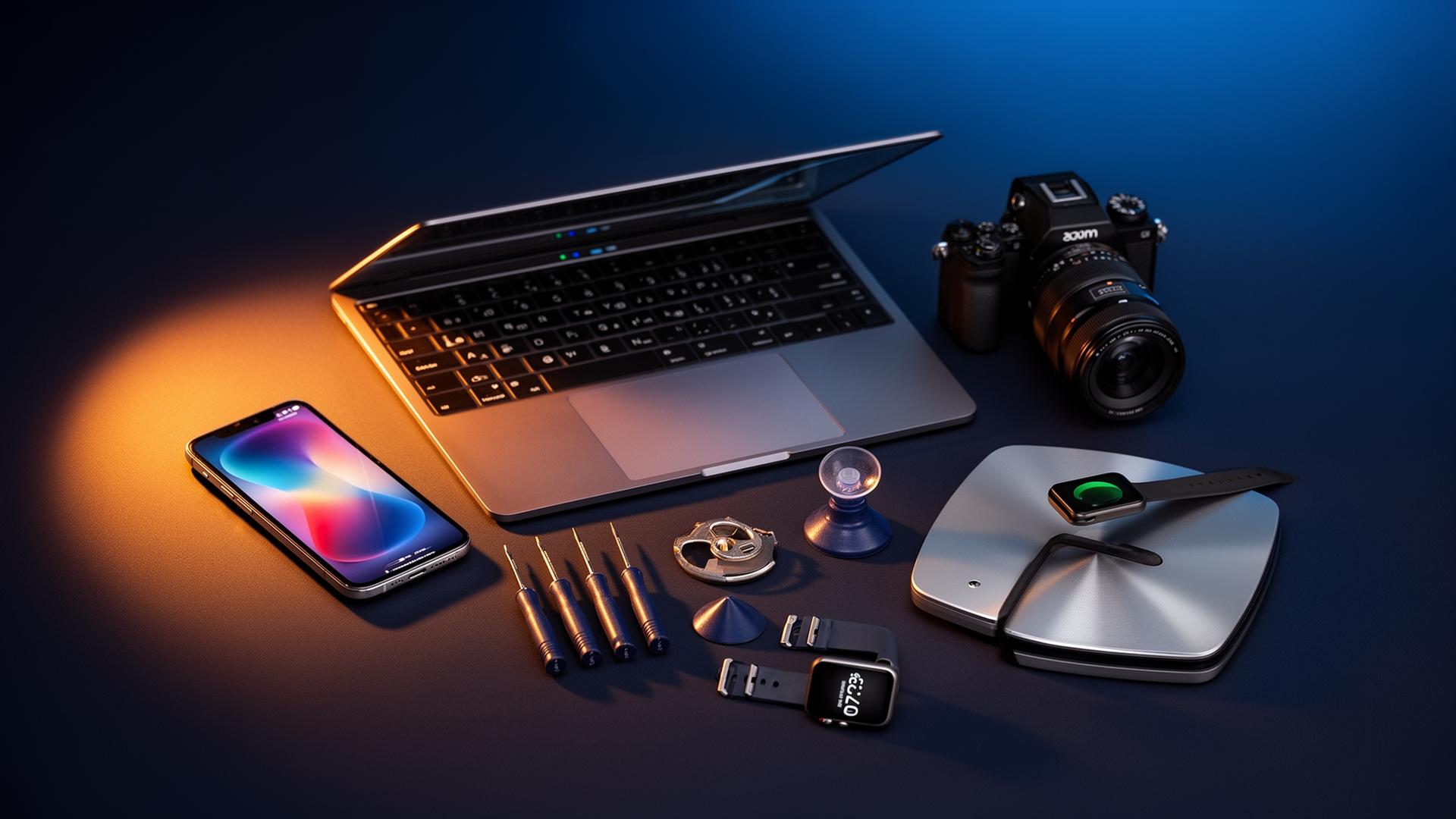
The four sub-categories worth your time
Smartphones (iPhone first, then Samsung Galaxy S/Note flagships). Highest velocity, deepest demand pool, clearest pricing. Start here. Every city has 50+ live listings any given day.
Laptops (MacBook Pro/Air, ThinkPad X/T series, business-grade Dell Latitudes). Larger checks ($300–$1,500), slower turn (3–14 days), but cleaner buyers because business/student buyers come pre-qualified.
Cameras (Sony Alpha mirrorless, Canon R-series, Fujifilm X, used lenses). Niche audience, very high margins, lower competition. Requires you to actually learn the gear.
Smartwatches, tablets, and gaming consoles (Apple Watch, iPad, PS5, Switch OLED, Steam Deck). Steady demand, very fast turn, smaller checks ($50–$250 net).
What NOT to touch as a beginner
Off-brand Android phones (no resale value), Windows tablets, Chromebooks (too cheap new), TVs (huge to ship, fragile, low margin), and printers (no one wants used printers, ever).
Also avoid 'parts only' listings until you actually know how to repair. A $40 'broken' iPhone you can't fix is just $40 of glass on your desk.
Where the margin comes from
Three sources, in order of impact. (1) Information asymmetry — sellers list emotionally ('selling for my dad, asking $X'); you buy at market rate. (2) Friction arbitrage — Facebook Marketplace sellers want one cash buyer today; eBay/Swappa buyers will wait 7 days and pay 20–30% more. (3) Light refurbishment — a $25 battery swap can add $80 to resale on an iPhone 11; a $40 keyboard replacement can add $200 to a MacBook.
Realistic income at each stage
Month 1–2 (learning, capital ~$500–$1k): 3–6 flips, $200–$500 net total. Most of it is tuition.
Month 3–6 (capital ~$1.5k–$3k, one category): 6–12 flips/month, $800–$2,000 net/month.
Month 7–18 (capital ~$3k–$8k, two categories + minor repairs): 15–30 flips/month, $2,500–$7,000 net/month.
Year 2+ (capital ~$10k+, repair skills + small showroom or storefront): $8,000–$25,000 net/month is realistic for full-time operators.