
Before a single candlestick matters, you need to know what a market even is: a continuous auction between buyers and sellers. This lesson builds the mental model that everything else in trading stands on.
Trading is the act of buying an asset (stock, currency, crypto, commodity) at one price and selling it at a different price to make profit. Markets exist because buyers and sellers disagree about what something is worth — and that disagreement creates opportunity.
The Three Players in Every Market
- Retail traders — people like you, trading from a phone or laptop.
- Institutions — hedge funds, banks, pension funds. They move billions and create the big trends.
- Market makers — firms that quote both buy and sell prices. They keep the market liquid.
How a Trade Actually Happens
When you click BUY on Robinhood or MetaTrader, your broker matches you with a seller. The price you pay is the ASK. When you click SELL, you get matched with a buyer at the BID. The tiny gap between bid and ask is the spread — that's how brokers and market makers make money.
- More people want to buy than sell
- Good news beats expectations
- Buyers accept higher and higher offers
- Fear of missing out kicks in
- More people want to sell than buy
- Bad news or fear spreads
- Sellers accept lower and lower bids
- Panic selling feeds on itself
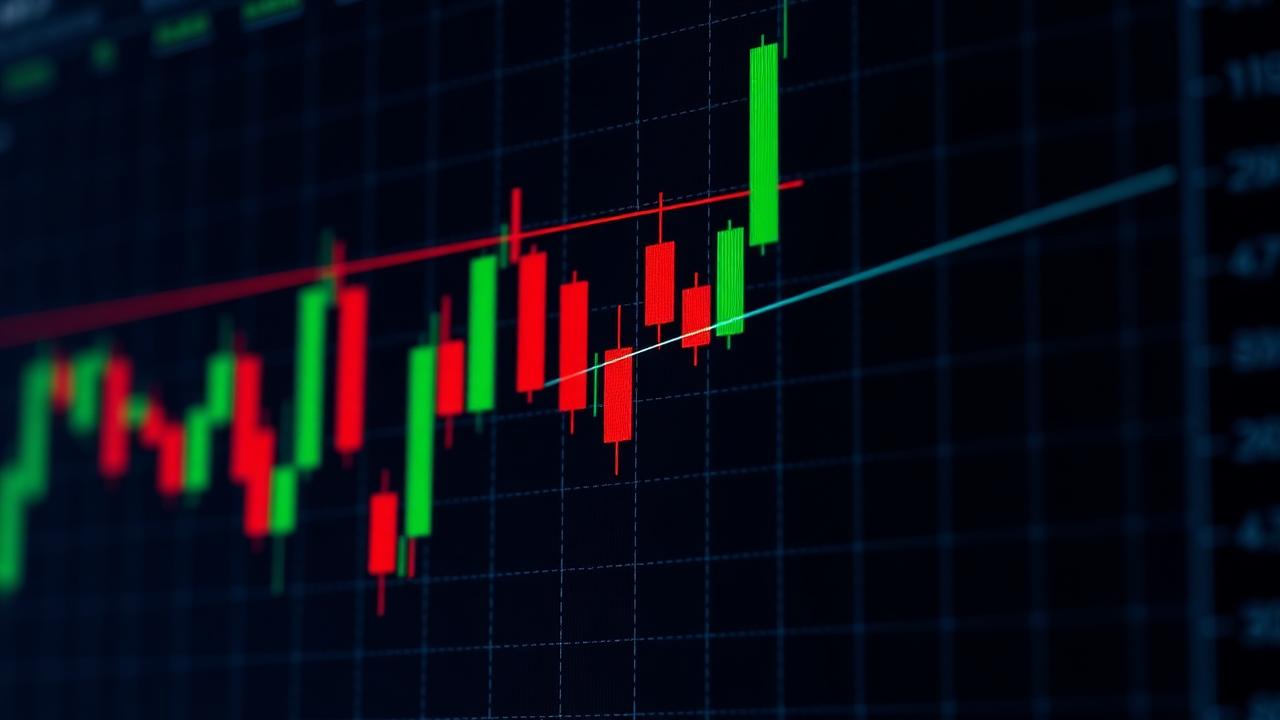
How to read this — A price is just the last agreed deal between a buyer and a seller. When buyers are more eager than sellers, they accept higher prices and the market rises; when sellers panic, they accept lower prices and it falls. Nothing magical — pure supply, demand, and emotion. Every chart you'll ever read is this auction, drawn over time.
What You Can Trade
- Stocks — shares of a company (AAPL, TSLA). Open during market hours.
- Forex — currency pairs (EUR/USD). 24/5, the largest market in the world ($7.5 trillion daily).
- Crypto — Bitcoin, Ethereum. 24/7, extremely volatile.
- Indices — the S&P 500, NASDAQ. A bet on the whole market.
- Commodities — gold, oil, wheat.
Long vs Short
Going LONG means you buy expecting the price to rise. Going SHORT means you borrow shares, sell them, and buy them back cheaper later. You can profit in both directions — markets don't care which way they move.
How to actually use "How Markets Actually Work: Buyers, Sellers, and Why Prices Move"
This is a applied skill lesson inside Trading: Stocks, Charts & Candlesticks — a trading discipline. Read it once for understanding, then come back with a real situation in mind. The list below tells you exactly how to convert reading time into ability.
Pros — what this unlocks in Trading: Stocks, Charts & Candlesticks
- Markets recycle the same patterns across instruments and decades, so reps you do today still pay you in 10 years.
- It compounds in basis points — small edges repeated over hundreds of trades produce returns most retail traders never reach.
- It is one of the few skills where the playing field doesn't care about your age, degree, or background — only your process and your numbers.
- Once a setup is documented and backtested, it can be executed in 20 minutes a day around a real job.
- It teaches emotional control under live money pressure — a skill that pays dividends in business and life.
Cons — the honest downsides
- Edges decay; what worked in 2022 won't always work in 2026 without re-validation.
- Brokers, spreads, slippage, and taxes silently eat returns most YouTube traders never mention.
- Profitable months can mask a broken process. The market will collect what it's owed eventually.
- The first 6–18 months almost everyone loses money — that's tuition, not a bug.
- Screen time wrecks sleep and posture if you don't enforce hard cut-offs.
What can go wrong in Trading: Stocks, Charts & Candlesticks
- Trading news without understanding spreads and gap risk.
- Letting a single 'invest, don't trade' bag turn into a 60% drawdown.
- Over-leveraging — one 5% trade can wipe what 50 1% trades earned.
- Revenge trading after a stop-out — the single most expensive habit in retail trading.
- Mistaking variance for skill on a 10-trade sample. You need 100+ to know if you have an edge.
Common mistakes (and the fix for each)
- Mistake: trading 8 instruments. Fix: pick ONE, master it for 90 days, then add a second only if profitable.
- Mistake: skipping the journal. Fix: log every trade — winners and losers — with screenshots.
- Mistake: no written plan per setup. Fix: each setup gets entry, stop, target, size, and invalidation IN WRITING.
- Mistake: moving the stop. Fix: stop is set at entry; you only move it to break-even or in your favor.
- Mistake: jumping timeframes mid-trade. Fix: the entry timeframe decides the stop and the target — don't switch.
Best practices that separate pros from beginners in Trading: Stocks, Charts & Candlesticks
- Backtest the setup on 50 historical instances before risking real money.
- Run a Sunday review: tag each trade by setup, R:R, rule break, and emotion. Patterns appear in 4 weeks.
- Hard daily loss limit (e.g., 2R). Hit it and the platform closes — no exceptions, no exceptions, no exceptions.
- Risk a fixed % per trade (0.5–1%) until you have 100 logged trades to prove your edge.
- Define your A+ setup so tightly you take fewer than 5 trades a week — most traders over-trade by 10x.
Realistic timeline for THIS lesson
- First useful signal: 3–7 days of practice before you can use it without notes.
- Operating fluency: 3–6 weeks of weekly reps to operate it under live conditions.
- Suggested daily input: 15–20 minutes of practice or one real-world application.
- Quit criteria: only walk away when you hit pre-written kill conditions, never on a bad day. Decide today what failure would look like.